

Order Total (1 Item Items):
Shipping Destination:

Koerver (197 results)
Author:
koerver
Refine with Advanced Search
Skip to main search results
Search filters
Product Type
- All Product Types
- Books (196)
- Magazines & Periodicals (No further results match this refinement)
- Comics (No further results match this refinement)
- Sheet Music (No further results match this refinement)
- Art, Prints & Posters (No further results match this refinement)
- Photographs (No further results match this refinement)
- Maps (1)
- Manuscripts & Paper Collectibles (No further results match this refinement)
Condition Learn more
- New (95)
- As New, Fine or Near Fine (35)
- Very Good or Good (40)
- Fair or Poor (No further results match this refinement)
- As Described (27)
Collectible Attributes
Language (4)
Free Shipping
Seller Location
Seller Rating
-

The Kaiser's U-Boat Assault on America: Germany's Great War Gamble in the First World War
Language: English
Published by Pen and Sword Military, 2020
ISBN 10: 1526773864 ISBN 13: 9781526773869
Condition: very_good. Fast Free Shipping â" Very Good condition book with a firm cover and clean pages. Shows normal use and some light wear or limited notes markings. A solid, nice copy to enjoy.
-

The Kaiser's U-Boat Assault on America: Germany's Great War Gamble in the First World War
Language: English
Published by Pen and Sword Military, 2020
ISBN 10: 1526773864 ISBN 13: 9781526773869
hardcover. Condition: Very Good. Connecting readers with great books since 1972! Used books may not include companion materials, and may have some shelf wear or limited writing. We ship orders daily and Customer Service is our top priority!
-

Condition: As New. Unread book in perfect condition.
-
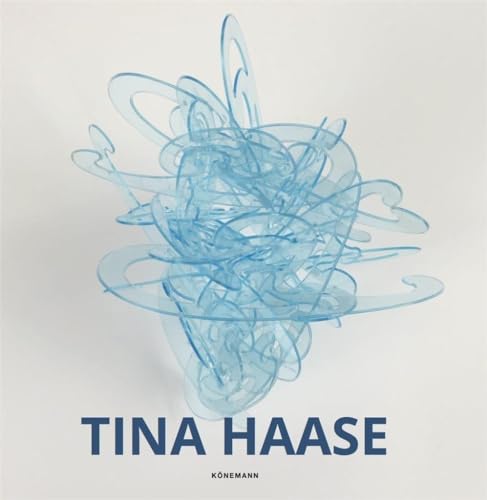
Condition: New.
-

Tina Haase
Language: English
Published by Koenemann.Com GmbH, DE, 2019
ISBN 10: 3741921521 ISBN 13: 9783741921520
Hardback. Condition: New.
-
The Kaiser's U-Boat Assault on America: Germany's Great War Gamble in the First World War
Language: English
Published by Pen and Sword Military, 2020
ISBN 10: 1526773864 ISBN 13: 9781526773869
hardcover. SHIPS DAILY WITH FREE TRACKING!
-
The Kaiser's U-Boat Assault on America: Germany's Great War Gamble in the First World War
Language: English
Published by Pen and Sword Military, 2020
ISBN 10: 1526773864 ISBN 13: 9781526773869
hardcover. Condition: Very Good. Connecting readers with great books since 1972! Used books may not include companion materials, and may have some shelf wear or limited writing. We ship orders daily and Customer Service is our top priority!
-
The Kaiser's U-Boat Assault on America Germany's Great War Gamble in the First World War
Language: English
Published by Pen and Sword Military, 2020
ISBN 10: 1526773864 ISBN 13: 9781526773869
Hardcover. Condition: As New. Dust Jacket Condition: As New. This book is like new; no remainder marks. Some slight cover shelfwear. Inside pages are clean. ; 6.25 X 1.25 X 9.25 inches; 360 pages.
-

The Kaiser's U-Boat Assault on America: Germany's Great War Gamble in the First World War
Language: English
Published by Pen & Sword Military, 2020
ISBN 10: 1526773864 ISBN 13: 9781526773869
Condition: Like New. Most items will be dispatched the same or the next working day. An apparently unread copy in perfect condition. Dust cover is intact with no nicks or tears. Spine has no signs of creasing. Pages are clean and not marred by notes or folds of any kind.
-

The Kaiser's U-Boat Assault on America: Germany's Great War Gamble in the First World War
Language: English
Published by Pen & Sword Military, 2020
ISBN 10: 1526773864 ISBN 13: 9781526773869
Condition: Very Good. Most items will be dispatched the same or the next working day. A copy that has been read, but is in excellent condition. Pages are intact and not marred by notes or highlighting. The spine remains undamaged.
-

The Kaiser's U-Boat Assault On America
Language: English
Published by Pen and Sword Military, 2026
ISBN 10: 1399021524 ISBN 13: 9781399021524
Condition: As New. Unread book in perfect condition.
-

Tina Haase
Language: English
Published by Koenemann.Com GmbH, DE, 2019
ISBN 10: 3741921521 ISBN 13: 9783741921520
Seller: Rarewaves.com USA, London, LONDO, United Kingdom
Seller rating 5 out of 5 stars

Hardback. Condition: New.
-

The Kaiser's U-Boat Assault on America Germany's Great War Gamble in the First World War
Language: English
Published by Pen & Sword Military, 2020
ISBN 10: 1526773864 ISBN 13: 9781526773869
Seller: Lion Books PBFA, Kidderminster, WORCS, United Kingdom
Association Member: PBFA
Seller rating 5 out of 5 stars
First Edition
Hardcover. Condition: Near Fine. Dust Jacket Condition: Near Fine. First Edition. 8vo 8" - 9" tall.
-

The Kaiser's U-Boat Assault on America
Language: English
Published by Pen and Sword Books Ltd, GB, 2026
ISBN 10: 1399021524 ISBN 13: 9781399021524
Paperback. Condition: New. Why did a long time reluctant US President Wilson finally enter World War I on the side of the Allies in April 1917?In retaliation of the British naval blockade of Germany since August 1914, the German Admirals determined at the beginning of 1915 to create a counter-blockade of the British Isles with their submarines. The U-boat commanders got - without knowledge of the government - a secret order to sink Allied passenger liners. The British Admiralty discovered the hunt for passenger liners by deciphering W/T messages to the U-boats. The sinking of the Lusitania on May, 6th, 1915, was no coincidence - the Royal Navy knew about the intentions of the U-boats and, after doing everything to protect the passenger liners in the beginning, they simply left the Lusitania alone in in the first week of May, to create frictions between America and the German Empire. A diplomatic quarrel between US President Wilson and Germany about U-boat warfare commenced.In spring of 1916 the German Navy acted again against the instructions of the Kaiser and ordered secretly the sinking of allied and neutral vessels in the British Channel, thereby opening an unrestricted U-boat war. When the channel ferry Sussex was attacked, Wilson threatened to break off of diplomatic relations with Germany. Under massive diplomatic pressure the German government had to give in. Further on, their U-boats only conducted a "soft", restricted warfare, following the internationally agreed maritime rules and tolerated by Wilson.In Germany a heated debate set in after the Sussex case. The Navy promised the quick defeat of England by unrestricted U-boat war, and the Army joined this campaign end of 1916. The intention of the "war party" was to rule out any possibility of a negotiated peace and to set the German Empire on a - risky - course for definitive victory. But the government doubted the Navy's capability for all-out U-boat warfare and argued that the only definitive result would be an America siding the Allies, leading to ultimate defeat. In the last months of 1916 it sent out peace feelers to Wilson, warning him, that in the case of a failure of his peace mediation they would get under unbearable pressure of the "military opposition" to begin unrestricted U-boat war again.At this time Britain was - like Germany - economically with its back against the wall: it suffered terribly by the sinking of its merchant ships, the moral of its Admiralty in Anti-Submarine-Warfare had completely broken down. Collapse was threatening.But the British government got wind of the conflicts inside Germany by the deciphering of the diplomatic cables between Wilson and the Germans. The new Prime Minster, David Lloyd George, chose a risky strategy - by rebuffing all American peace efforts he wanted to encourage the radical party in Germany to enforce total U-boat war.Finally this British strategy payed out: German Navy and Army pressed the Kaiser to declare unrestricted U-boat war from 1st of February 1917.
-
The Kaiser's U-Boat Assault On America
Language: English
Published by Pen and Sword Military, 2026
ISBN 10: 1399021524 ISBN 13: 9781399021524
Condition: New.
-
The Kaiser's U-Boat Assault on America (Paperback)
Language: English
Published by Pen & Sword Books Ltd, South Yorkshire, 2026
ISBN 10: 1399021524 ISBN 13: 9781399021524
Paperback. Condition: new. Paperback. Why did a long time reluctant US President Wilson finally enter World War I on the side of the Allies in April 1917? In retaliation of the British naval blockade of Germany since August 1914, the German Admirals determined at the beginning of 1915 to create a counter-blockade of the British Isles with their submarines. The U-boat commanders got without knowledge of the government - a secret order to sink Allied passenger liners. The British Admiralty discovered the hunt for passenger liners by deciphering W/T messages to the U-boats. The sinking of the Lusitania on May, 6th, 1915, was no coincidence the Royal Navy knew about the intentions of the U-boats and, after doing everything to protect the passenger liners in the beginning, they simply left the Lusitania alone in in the first week of May, to create frictions between America and the German Empire. A diplomatic quarrel between US President Wilson and Germany about U-boat warfare commenced. In spring of 1916 the German Navy acted again against the instructions of the Kaiser and ordered secretly the sinking of allied and neutral vessels in the British Channel, thereby opening an unrestricted U-boat war. When the channel ferry Sussex was attacked, Wilson threatened to break off of diplomatic relations with Germany. Under massive diplomatic pressure the German government had to give in. Further on, their U-boats only conducted a soft, restricted warfare, following the internationally agreed maritime rules and tolerated by Wilson. In Germany a heated debate set in after the Sussex case. The Navy promised the quick defeat of England by unrestricted U-boat war, and the Army joined this campaign end of 1916. The intention of the war party was to rule out any possibility of a negotiated peace and to set the German Empire on a risky - course for definitive victory. But the government doubted the Navy's capability for all-out U-boat warfare and argued that the only definitive result would be an America siding the Allies, leading to ultimate defeat. In the last months of 1916 it sent out peace feelers to Wilson, warning him, that in the case of a failure of his peace mediation they would get under unbearable pressure of the military opposition to begin unrestricted U-boat war again. At this time Britain was like Germany economically with its back against the wall: it suffered terribly by the sinking of its merchant ships, the moral of its Admiralty in Anti-Submarine-Warfare had completely broken down. Collapse was threatening. But the British government got wind of the conflicts inside Germany by the deciphering of the diplomatic cables between Wilson and the Germans. The new Prime Minster, David Lloyd George, chose a risky strategy by rebuffing all American peace efforts he wanted to encourage the radical party in Germany to enforce total U-boat war. Finally this British strategy payed out: German Navy and Army pressed the Kaiser to declare unrestricted U-boat war from 1st of February 1917 on, and Wilson broke off diplomatic relations. But he still bristled to enter the war on Allied side as long as American ships would be treated correctly by the Germans, he wouldn't come in, not even after the publication of the Zimmermann-telegram. The tipping point came in the middle of March, when U-boats torpedoed American vessels without warning. This forced the American Declaration of War against the German Empire on April 6, 1917. AUTHOR: Hans Joachim Koerver is an accomplished historian in the field of naval history and has researched exhaustively at the British National Archives. He's written several books on naval warfare. Shipping may be from multiple locations in the US or from the UK, depending on stock availability.
-
The Kaiser's U-Boat Assault on America: Germany's Great War Gamble in the First World War
Language: English
Published by Pen and Sword Military, 2026
ISBN 10: 1399021524 ISBN 13: 9781399021524
paperback. Condition: New. *Brand new* Ships from USA.
-

Was ist los in Nazaret? : von Jesus hören und weitersagen. Gütersloher Taschenbücher GTB Nr. 646;
Language: German
Published by Gütersloh : Gütersloher Verlagshaus Mohn, 1983
ISBN 10: 3579006460 ISBN 13: 9783579006468
Seller: books4less (Versandantiquariat Petra Gros GmbH & Co. KG), Welling, Germany
Seller rating 5 out of 5 stars
Taschenbuch; Condition: Gut. 96 S. : Ill., Noten ; 19 cm Papierqualität und Alter führten zu einer Nachdunklung der Seiten und der Buchschnitt ist angestaubt. Im Übrigen ist das Taschenbuch in einem guten Zustand. Sprache: Deutsch Gewicht in Gramm: 150.
-
The Kaiser's U-Boat Assault on America
Language: English
Published by Pen and Sword Books Ltd, 2026
ISBN 10: 1399021524 ISBN 13: 9781399021524
Seller: PBShop.store UK, Fairford, GLOS, United Kingdom
Seller rating 5 out of 5 stars
PAP. Condition: New. New Book. Shipped from UK. Established seller since 2000.
-
KAISERâS U-BOAT ASSAULT ON AMERICAGermanyâs Great War Gamble in the First World War
Language: English
Published by Pen and Sword Military, 2020
ISBN 10: 1526773864 ISBN 13: 9781526773869
Seller: Naval and Military Press Ltd, Uckfield, United Kingdom
Seller rating 4 out of 5 stars

Condition: New. Hardback. 360 pages with 80 illustrations. Published Price £25 Why did a long time reluctant US President Wilson finally enter World War I on the side of the Allies in April 1917?In retaliation of the British naval blockade of Germany since August 1914, the German Admirals determined at the beginning of 1915 to create a counter-blockade of the British Isles with their submarines. The U-boat commanders got â" without knowledge of the government - a secret order to sink Allied passenger liners. The British Admiralty discovered the hunt for passenger liners by deciphering W/T messages to the U-boats. The sinking of the Lusitania on May, 6th, 1915, was no coincidence â" the Royal Navy knew about the intentions of the U-boats and, after doing everything to protect the passenger liners in the beginning, they simply left the Lusitania alone in in the first week of May, to create frictions between America and the German Empire. A diplomatic quarrel between US President Wilson and Germany about U-boat warfare commenced.In spring of 1916 the German Navy acted again against the instructions of the Kaiser and ordered secretly the sinking of allied and neutral vessels in the British Channel, thereby opening an unrestricted U-boat war. When the channel ferry Sussex was attacked, Wilson threatened to break off of diplomatic relations with Germany. Under massive diplomatic pressure the German government had to give in. Further on, their U-boats only conducted a âsoftâ, restricted warfare, following the internationally agreed maritime rules and tolerated by Wilson.In Germany a heated debate set in after the Sussex case. The Navy promised the quick defeat of England by unrestricted U-boat war, and the Army joined this campaign end of 1916. The intention of the âwar partyâ was to rule out any possibility of a negotiated peace and to set the German Empire on a â" risky - course for definitive victory. But the government doubted the Navyâs capability for all-out U-boat warfare and argued that the only definitive result would be an America siding the Allies, leading to ultimate defeat. In the last months of 1916 it sent out peace feelers to Wilson, warning him, that in the case of a failure of his peace mediation they would get under unbearable pressure of the âmilitary oppositionâ to begin unrestricted U-boat war again.At this time Britain was â" like Germany â" economically with its back against the wall: it suffered terribly by the sinking of its merchant ships, the moral of its Admiralty in Anti-Submarine-Warfare had completely broken down. Collapse was threatening.But the British government got wind of the conflicts inside Germany by the deciphering of the diplomatic cables between Wilson and the Germans. The new Prime Minster, David Lloyd George, chose a risky strategy â" by rebuffing all American peace efforts he wanted to encourage the radical party in Germany to enforce total U-boat war.Finally this British strategy payed out: German Navy and Army pressed the Kaiser to declare unrestricted U-boat war from 1st of February 1917 on, and Wilson broke off diplomatic relations. But he still bristled to enter the war on Allied side â" as long as American ships would be treated correctly by the Germans, he wouldnât come in, not even after the publication of the Zimmermann-telegram.The tipping point came in the middle of March, when U-boats torpedoed American vessels without warning. This forced the American Declaration of War against the German Empire on April 6, 1917.
-
Kaiser's U-Boat Assault On America: Germany's Great War Gamble In The First World War
Language: English
Published by Pen & Sword Books Ltd, 2026
ISBN 10: 1399021524 ISBN 13: 9781399021524
Paperback. Condition: Brand New. 360 pages. 9.21x1.14x6.14 inches. In Stock.
-
Hardcover. Condition: Very Good. Dust Jacket Condition: Good.
-
Tina Haase (Artist Monographs)
Seller: Kennys Bookshop and Art Galleries Ltd., Galway, GY, Ireland
Seller rating 5 out of 5 stars
Condition: New. 2019. hardcover. . . . . .
-

Sagt Gott, wie wunderbar er ist. Alte und neue Psalmen zum Sprechen und Singen
Language: German
Published by Verlag Junge Gemeinde, 1990
ISBN 10: 3779703203 ISBN 13: 9783779703204
Seller: Versandantiquariat Wenzel, Vierkirchen, Germany
Seller rating 5 out of 5 stars
First Edition
Softcover. Condition: Gut. 1. Auflage. Kinder, Gottesdienst, Gemeinde Br. 127 S. 8°.
-
Condition: New. 2019. hardcover. . . . . . Books ship from the US and Ireland.
-

Josef Wolf. Mit Fotografien von Friedrich Rosenstiel.
Published by Selbstverlag, 2009
ISBN 10: 3933357497 ISBN 13: 9783933357496
Seller: Antiquariat >Im Autorenregister<, Köln, NRW, Germany
Seller rating 4 out of 5 stars
Durchgehend illustriert. Mwst.: 7%. Wir verschicken keine Bestellbestätigung, Versand wenn möglich am Tag des Bestelleingangs. Gewicht in Gramm: 600 Lexikon Oktav, 78 S. Deutschsprachige Ausgabe OPbd. Sehr Guter Zustand Gebundene Ausgabe.
-
The Kaiser's U-Boat Assault on America: Germany's Great War Gamble in the First World War
Language: English
Published by Pen and Sword Military, 2026
ISBN 10: 1399021524 ISBN 13: 9781399021524
Condition: New.
-

Wir sind doch keine Kinder mehr! : Kindergottesdienst mit den 10- 13jährigen ; Anregungen, Ideen, Bausteine. Jürgen Koerver . (Hg.). Bernd Schwemm (Ill.) / Kinder, Gottesdienst, Gemeinde
Language: German
Published by Leinfelden-Echterdingen : Verl. Junge Gemeinde, 1994
ISBN 10: 377970336X ISBN 13: 9783779703365
Seller: Preiswerterlesen1 Buchhaus Hesse, Hückeswagen, Germany
Seller rating 5 out of 5 stars
First Edition
kart. Condition: Neu. 1. Aufl. 224 S. : Ill., Noten ; 21 cm Sprache: Deutsch Gewicht in Gramm: 317.
-
The Kaiser's U-Boat Assault On America
Language: English
Published by Pen and Sword Military, 2026
ISBN 10: 1399021524 ISBN 13: 9781399021524
Seller: GreatBookPricesUK, Woodford Green, United Kingdom
Seller rating 5 out of 5 stars
Condition: New.
-

Softcover. Condition: Très bon. Edition 2010. Ammareal reverse jusqu'à 15% du prix net de cet article à des organisations caritatives. ENGLISH DESCRIPTION Book Condition: Used, Very good. Edition 2010. Ammareal gives back up to 15% of this item's net price to charity organizations.

