
Order Total (1 Item Items):
Shipping Destination:

Dejuan Asenjo Oscar (29 results)
Skip to main search results
Search filters
Product Type
- All Product Types
- Books (29)
- Magazines & Periodicals (No further results match this refinement)
- Comics (No further results match this refinement)
- Sheet Music (No further results match this refinement)
- Art, Prints & Posters (No further results match this refinement)
- Photographs (No further results match this refinement)
- Maps (No further results match this refinement)
- Manuscripts & Paper Collectibles (No further results match this refinement)
Condition Learn more
- New (27)
- As New, Fine or Near Fine (2)
- Very Good or Good (No further results match this refinement)
- Fair or Poor (No further results match this refinement)
- As Described (No further results match this refinement)
Binding
Collectible Attributes
- First Edition (2)
- Signed (No further results match this refinement)
- Dust Jacket (2)
- Seller-Supplied Images (4)
- Not Print on Demand (20)
Language (2)
Price
- Any Price
- Under £ 20 (No further results match this refinement)
- £ 20 to £ 35 (No further results match this refinement)
- Over £ 35
Free Shipping
Seller Location
Seller Rating
-

Condition: new. Shipping may be from multiple locations in the US or from the UK, depending on stock availability.
-
Condition: New. Idioma/Language: Español. Son muchos y buenos los textos de Introducción a la Economía que compiten en el mercado. Quien se anima a escribir otro ha de estar convencido de que cubrirá alguna laguna y hará alguna aportación relevante. Los hechos diferenciales de este libro podrían resumirse en cuatro. En primer lugar, una visión más realista de la economía enraizada en la contabilidad nacional, donde se describen los procesos relacionados con la producción, distribución, gasto y financiación, procesos que pueden diferir según sea la estructura del mercado y la fase del ciclo. En segundo lugar, una aproximación teórica que combina la teoría clásica del valor y la distribución (convenientemente revitalizada por P. Sraffa) con la teoría keynesiana del output y el dinero. En tercer lugar, un planteamiento ideológico abierto que valora la contribución del mercado sin olvidar sus fallos que reclaman algún tipo de intervención pública, y también que los gobiernos fallan y que, a veces, el remedio es peor que la enfermedad. Y en cuarto lugar, un texto relativamente breve que se ilustra con ventanas al mundo y se completa con abundantes ejercicios y temas para el debate. Agotada la primera edición, en esta segunda edición se trata de plasmar las ideas descritas de una forma todavía más simple para facilitar su estudio, como corresponde a un texto introductorio. *** Nota: Los envíos a España peninsular, Baleares y Canarias se realizan a través de mensajería urgente. No aceptamos pedidos con destino a Ceuta y Melilla.
-

Condition: Nuevo. - Son muchos y buenos los textos de Introducción a la Economía que compiten en el mercado. Quien se anima a escribir otro ha de estar convencido de que cubrirá alguna laguna y hará alguna aportación relevante. Los hechos diferenciales de este libro podrían resumirse en cuatro. En primer lugar, una visión más realista de la economía enraizada en la contabilidad nacional, donde se describen los procesos relacionados con la producción, distribución, gasto y financiación, procesos que pueden diferir según sea la estructura del mercado y la fase del ciclo. En segundo lugar, una aproximación teórica que combina la teoría clásica del valor y la distribución (convenientemente revitalizada por P. Sraffa) con la teoría keynesiana del output y el dinero. En tercer lugar, un planteamiento ideológico abierto que valora la contribución del mercado sin olvidar sus fallos que reclaman algún tipo de intervención pública, y también que los gobiernos fallan y que, a veces, el remedio es peor que la enfermedad. Y en cuarto lugar, un texto relativamente breve que se ilustra con ventanas al mundo y se completa con abundantes ejercicios y temas para el debate. Agotada la primera edición, en esta segunda edición se trata de plasmar las ideas descritas de una forma todavía más simple para facilitar su estudio, como corresponde a un texto introductorio.
-
Condition: New.
-
Rústica Fresado. Condition: Nuevo.
-
Rustica (tapa blanda). Condition: New. Dust Jacket Condition: Nuevo. 01. Son muchos y buenos los textos de Introducción a la Economía que compiten en el mercado. Quien se anima a escribir otro ha de estar convencido de que cubrirá alguna laguna y hará alguna aportación relevante. Los hechos diferenciales de este libro podrían resumirse en cuatro. En primer lugar, una visión más realista de la economía enraizada en la contabilidad nacional, donde se describen los procesos relacionados con la producción, distribución, gasto y financiación, procesos que pueden diferir según sea la estructura del mercado y la fase del ciclo. En segundo lugar, una aproximación teórica que combina la teoría clásica del valor y la distribución (convenientemente revitalizada por P. Sraffa) con la teoría keynesiana del output y el dinero. En tercer lugar, un planteamiento ideológico abierto que valora la contribución del mercado sin olvidar sus fallos que reclaman algún tipo de intervención pública, y también que los gobiernos fallan y que, a veces, el remedio es peor que la enfermedad. Y en cuarto lugar, un texto relativamente breve que se ilustra con ventanas al mundo y se completa con abundantes ejerci. LIBRO.
-
Economía Fundamentos y claves de interpretación
First Edition
Condition: Nuevo. Son muchos y buenos los textos de Introducción a la Economía que compiten en el mercado. Quien se anima a escribir otro ha de estar convencido de que cubrirá alguna laguna y hará alguna aportación relevante. Los hechos diferenciales de este libro podrían resumirse en cuatro. En primer lugar, una visión más realista de la economía enraizada en la contabilidad nacional, donde se describen los procesos relacionados con la producción, distribución, gasto y financiación, procesos que pueden diferir según sea la estructura del mercado y la fase del ciclo. En segundo lugar, una aproximación teórica que combina la teoría clásica del valor y la distribución (convenientemente revitalizada por P. Sraffa) con la teoría keynesiana del output y el dinero. En tercer lugar, un planteamiento ideológico abierto que valora la contribución del mercado sin olvidar sus fallos que reclaman algún tipo de intervención pública, y también que los gobiernos fallan y que, a veces, el remedio es peor que la enfermedad. Y en cuarto lugar, un texto relativamente breve que se ilustra con ventanas al mundo y se completa con abundantes ejercicios y temas para el debate. Agotada la primera edición, en esta segunda edición se trata de plasmar las ideas descritas de una forma todavía más simple para facilitar su estudio, como corresponde a un texto introductorio.
-
Condition: New.
-
Condition: New.
-
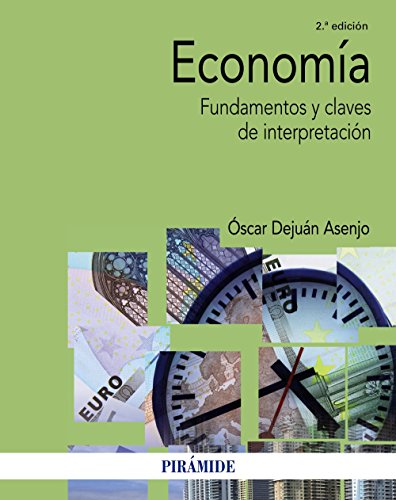
Paperback. Condition: Brand New. 192 pages. Spanish language. 9.45x7.48x1.18 inches. In Stock.
-

Condition: As New. Unread book in perfect condition.
-
Endogenous Money and the Supermultiplier
Seller: GreatBookPricesUK, Woodford Green, United Kingdom
Seller rating 5 out of 5 stars

Condition: As New. Unread book in perfect condition.
-
Condition: New.
-
Condition: New.
-
Condition: New. 1st edition NO-PA16APR2015-KAP.
-
Endogenous Money and the Supermultiplier
Seller: GreatBookPricesUK, Woodford Green, United Kingdom
Seller rating 5 out of 5 stars
Condition: New.
-
Condition: New.
-
Hardcover. Condition: Brand New. 260 pages. 9.68x6.87x9.61 inches. In Stock.
-
ECONOMÍA
Seller: Librerias Prometeo y Proteo, Malaga, MA, Spain
Seller rating 3 out of 5 stars

First Edition
Rústica. Condition: New. Dust Jacket Condition: Nuevo. 03. Son muchos y buenos los textos de Introducción a la Economía que compiten en el mercado. Quien se anima a escribir otro ha de estar convencido de que cubrirá alguna laguna y hará alguna aportación relevante. . Los hechos diferenciales de este libro podrían resumirse en cuatro. En primer lugar, una visión más realista de la economía enraizada en la contabilidad nacional, donde se describen los procesos relacionados con la producción, distribución, gasto y financiación, procesos que pueden diferir según sea la estructura del mercado y la fase del ciclo. En segundo lugar, una aproximación teórica que combina la teoría clásica del valor y la distribución (convenientemente revitalizada por P. Sraffa) con la teoría keynesiana del output y el dinero. En tercer lugar, un planteamiento ideológico abierto que valora la contribución del mercado sin olvidar sus fallos que reclaman algún tipo de intervención pública, y también que los gobiernos fallan y que, a veces, el remedio es peor que la enfermedad. Y en cuarto lugar, un texto relativamente breve que se ilustra con ventanas al mundo y se completa con abundantes ejercicios y temas para el debate. . Agotada la primera edición, en esta segunda edición se trata de plasmar las ideas descritas de una forma todavía más simple para facilitar su estudio, como corresponde a un texto introductorio. LIBRO.
-
Condition: new. Shipping may be from our Sydney, NSW warehouse or from our UK or US warehouse, depending on stock availability.
-
Endogenous Money and the Supermultiplier (Hardcover)
Language: English
Published by Taylor & Francis Ltd, London, 2025
ISBN 10: 1041053789 ISBN 13: 9781041053781
Hardcover. Condition: new. Hardcover. This book explores the Supermultiplier model which has rapidly evolved into a key analytical framework, embraced and debated by post-Keynesian economists across various schools of thought. At its core, the model extends Keynesian principles to the long run, asserting that economic growth and productive capacity are fundamentally shaped by effective demand. Central to this framework is the concept of autonomous demandcomponents of aggregate demand such as government spending, exports, and residential investment and credit-financed consumption that operate independently of income flows, driving growth and capital accumulation.This book ventures into the relatively uncharted territory of how these autonomous demand components are financed. It highlights the indispensable role of endogenous money creationcredit expansion, state money, and external sector financingin sustaining demand-led growth. Drawing from recent contributions, the book integrates credit and debt dynamics into the Supermultiplier model, offering insights into the financial underpinnings of autonomous demand.A vital resource for understanding modern monetary economies, this book bridges theoretical advancements and practical policy implications, making it essential reading for economists, policymakers, and those intrigued by the intersection of demand, finance, and growth.The chapters in this book were originally published in Review of Political Economy. This book explores the Supermultiplier model which has rapidly evolved into a key analytical framework, embraced and debated by Post-Keynesian economists across various schools of thought. The model extends Keynesian principles to the long run, asserting that economic growth and productive capacity arE shaped by effective demand. This item is printed on demand. Shipping may be from multiple locations in the US or from the UK, depending on stock availability.
-

Endogenous Money and the Supermultiplier
Seller: BuchWeltWeit Ludwig Meier e.K., Bergisch Gladbach, Germany
Seller rating 5 out of 5 stars
Buch. Condition: Neu. This item is printed on demand - it takes 3-4 days longer - Neuware -This book explores the Supermultiplier model which has rapidly evolved into a key analytical framework, embraced and debated by post-Keynesian economists across various schools of thought. At its core, the model extends Keynesian principles to the long run, asserting that economic growth and productive capacity are fundamentally shaped by effective demand. Central to this framework is the concept of autonomous demand-components of aggregate demand such as government spending, exports, and residential investment and credit-financed consumption that operate independently of income flows, driving growth and capital accumulation.This book ventures into the relatively uncharted territory of how these autonomous demand components are financed. It highlights the indispensable role of endogenous money creation-credit expansion, state money, and external sector financing-in sustaining demand-led growth. Drawing from recent contributions, the book integrates credit and debt dynamics into the Supermultiplier model, offering insights into the financial underpinnings of autonomous demand.A vital resource for understanding modern monetary economies, this book bridges theoretical advancements and practical policy implications, making it essential reading for economists, policymakers, and those intrigued by the intersection of demand, finance, and growth.The chapters in this book were originally published in Review of Political Economy. 264 pp. Englisch.
-
HRD. Condition: New. New Book. Shipped from UK. THIS BOOK IS PRINTED ON DEMAND. Established seller since 2000.
-
Endogenous Money and the Supermultiplier
Seller: PBShop.store UK, Fairford, GLOS, United Kingdom
Seller rating 5 out of 5 stars
£ 174.13
£ 5.02 shipping
Ships from United Kingdom to U.S.A.Quantity: Over 20 available
Add to basketHRD. Condition: New. New Book. Delivered from our UK warehouse in 4 to 14 business days. THIS BOOK IS PRINTED ON DEMAND. Established seller since 2000.
-
Hardcover. Condition: Brand New. 260 pages. 9.68x6.87x9.61 inches. In Stock. This item is printed on demand.
-
Endogenous Money and the Supermultiplier (Hardcover)
Language: English
Published by Taylor & Francis Ltd, London, 2025
ISBN 10: 1041053789 ISBN 13: 9781041053781
Hardcover. Condition: new. Hardcover. This book explores the Supermultiplier model which has rapidly evolved into a key analytical framework, embraced and debated by post-Keynesian economists across various schools of thought. At its core, the model extends Keynesian principles to the long run, asserting that economic growth and productive capacity are fundamentally shaped by effective demand. Central to this framework is the concept of autonomous demandcomponents of aggregate demand such as government spending, exports, and residential investment and credit-financed consumption that operate independently of income flows, driving growth and capital accumulation.This book ventures into the relatively uncharted territory of how these autonomous demand components are financed. It highlights the indispensable role of endogenous money creationcredit expansion, state money, and external sector financingin sustaining demand-led growth. Drawing from recent contributions, the book integrates credit and debt dynamics into the Supermultiplier model, offering insights into the financial underpinnings of autonomous demand.A vital resource for understanding modern monetary economies, this book bridges theoretical advancements and practical policy implications, making it essential reading for economists, policymakers, and those intrigued by the intersection of demand, finance, and growth.The chapters in this book were originally published in Review of Political Economy. This book explores the Supermultiplier model which has rapidly evolved into a key analytical framework, embraced and debated by Post-Keynesian economists across various schools of thought. The model extends Keynesian principles to the long run, asserting that economic growth and productive capacity arE shaped by effective demand. This item is printed on demand. Shipping may be from our UK warehouse or from our Australian or US warehouses, depending on stock availability.
-

Buch. Condition: Neu. nach der Bestellung gedruckt Neuware - Printed after ordering - This book explores the Supermultiplier model which has rapidly evolved into a key analytical framework, embraced and debated by post-Keynesian economists across various schools of thought. At its core, the model extends Keynesian principles to the long run, asserting that economic growth and productive capacity are fundamentally shaped by effective demand. Central to this framework is the concept of autonomous demand-components of aggregate demand such as government spending, exports, and residential investment and credit-financed consumption that operate independently of income flows, driving growth and capital accumulation.This book ventures into the relatively uncharted territory of how these autonomous demand components are financed. It highlights the indispensable role of endogenous money creation-credit expansion, state money, and external sector financing-in sustaining demand-led growth. Drawing from recent contributions, the book integrates credit and debt dynamics into the Supermultiplier model, offering insights into the financial underpinnings of autonomous demand.A vital resource for understanding modern monetary economies, this book bridges theoretical advancements and practical policy implications, making it essential reading for economists, policymakers, and those intrigued by the intersection of demand, finance, and growth.The chapters in this book were originally published in Review of Political Economy.
-
Endogenous Money and the Supermultiplier (Hardcover)
Language: English
Published by Taylor & Francis Ltd, London, 2025
ISBN 10: 1041053789 ISBN 13: 9781041053781
Hardcover. Condition: new. Hardcover. This book explores the Supermultiplier model which has rapidly evolved into a key analytical framework, embraced and debated by post-Keynesian economists across various schools of thought. At its core, the model extends Keynesian principles to the long run, asserting that economic growth and productive capacity are fundamentally shaped by effective demand. Central to this framework is the concept of autonomous demandcomponents of aggregate demand such as government spending, exports, and residential investment and credit-financed consumption that operate independently of income flows, driving growth and capital accumulation.This book ventures into the relatively uncharted territory of how these autonomous demand components are financed. It highlights the indispensable role of endogenous money creationcredit expansion, state money, and external sector financingin sustaining demand-led growth. Drawing from recent contributions, the book integrates credit and debt dynamics into the Supermultiplier model, offering insights into the financial underpinnings of autonomous demand.A vital resource for understanding modern monetary economies, this book bridges theoretical advancements and practical policy implications, making it essential reading for economists, policymakers, and those intrigued by the intersection of demand, finance, and growth.The chapters in this book were originally published in Review of Political Economy. This book explores the Supermultiplier model which has rapidly evolved into a key analytical framework, embraced and debated by Post-Keynesian economists across various schools of thought. The model extends Keynesian principles to the long run, asserting that economic growth and productive capacity arE shaped by effective demand. This item is printed on demand. Shipping may be from our Sydney, NSW warehouse or from our UK or US warehouse, depending on stock availability.
-

Buch. Condition: Neu. Endogenous Money and the Supermultiplier | Maria Cristina Barbieri Góes (u. a.) | Buch | Einband - fest (Hardcover) | Englisch | 2025 | Routledge | EAN 9781041053781 | Verantwortliche Person für die EU: Libri GmbH, Europaallee 1, 36244 Bad Hersfeld, gpsr[at]libri[dot]de | Anbieter: preigu Print on Demand.


