Order Total (1 Item Items):
Shipping Destination:

Urquhart Steven (24 results)
Skip to main search results
Search filters
Product Type
- All Product Types
- Books (24)
- Magazines & Periodicals (No further results match this refinement)
- Comics (No further results match this refinement)
- Sheet Music (No further results match this refinement)
- Art, Prints & Posters (No further results match this refinement)
- Photographs (No further results match this refinement)
- Maps (No further results match this refinement)
- Manuscripts & Paper Collectibles (No further results match this refinement)
Condition Learn more
- New (18)
- As New, Fine or Near Fine (6)
- Very Good or Good (No further results match this refinement)
- Fair or Poor (No further results match this refinement)
- As Described (No further results match this refinement)
Binding
Collectible Attributes
Language (2)
Free Shipping
Seller Location
Seller Rating
-

Condition: New.
-

Paperback. Condition: New. In turns touching and disturbing, this powerfully suggestive story describes a young boy coming of age on his father's farm while being stalked by the new, mentally handicapped employee. Set against a backdrop of abandonment, betrayal, and confusion, the novel explores the human psyche and the contemporary theme of child abuse with subtlety and masterful writing.
-

Condition: New.
-

Condition: As New. Unread book in perfect condition.
-

Condition: As New. Unread book in perfect condition.
-

The Death of Marlon Brando
Seller: Rarewaves.com USA, London, LONDO, United Kingdom
Seller rating 5 out of 5 stars

Paperback. Condition: New. In turns touching and disturbing, this powerfully suggestive story describes a young boy coming of age on his father's farm while being stalked by the new, mentally handicapped employee. Set against a backdrop of abandonment, betrayal, and confusion, the novel explores the human psyche and the contemporary theme of child abuse with subtlety and masterful writing.
-
-

Condition: New. Brand New.
-

Paperback. Condition: New. Paul-Émile Borduas had both successes and failures as he tried to express in artwork and words his vision of a generous, spontaneous, creative society. He was the catalyst for events that led to the writing of an important social and artistic manifesto, Refus global (Total Refusal, in translation with Exile Editions) published in 1948 by the movement known as Les automatistes. Jean-Philippe Warren shows us the reversals and contradictions that make up this cultural figure, renowned for both his art and his thought. How his early hopes and doubts fermented in the crucible that is the mind of a young man. And how his attempts to find a new voice reflect the changes of a society trying to come to terms with a troubling and elusive modernity. Ultimately, Warren looks to understand the path that led Borduas to adopt a pictorial approach that was a clean break with the academicism of his time. He studies a man who broke early with the Catholic religion of his childhood, and who tried to replace it with a radically different ethic. At the same time, he suggests that Borduas came from an ambiance of Catholic intellectuals and artists who shared many of his progressive views and were also critical of the church's attitude to society and art. This is a remarkable portrait of one of our greatest artists and intellectuals, and shines a new light on a crucial turning point in the history of Québec and Canada.
-

Condition: As New. Unread book in perfect condition.
-
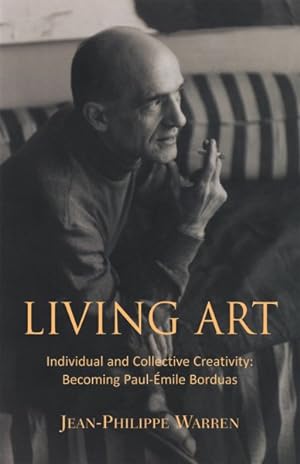
Living Art (Paperback)
Language: English
Published by Exile Editions, Toronto, ON, 2018
ISBN 10: 1550967169 ISBN 13: 9781550967166
Paperback. Condition: new. Paperback. Paul-Emile Borduas had both successes and failures as he tried to express in artwork and words his vision of a generous, spontaneous, creative society. He was the catalyst for events that led to the writing of an important social and artistic manifesto, Refus global (Total Refusal, in translation with Exile Editions) published in 1948 by the movement known as Les automatistes. Jean-Philippe Warren shows us the reversals and contradictions that make up this cultural figure, renowned for both his art and his thought. How his early hopes and doubts fermented in the crucible that is the mind of a young man. And how his attempts to find a new voice reflect the changes of a society trying to come to terms with a troubling and elusive modernity. Ultimately, Warren looks to understand the path that led Borduas to adopt a pictorial approach that was a clean break with the academicism of his time. He studies a man who broke early with the Catholic religion of his childhood, and who tried to replace it with a radically different ethic. At the same time, he suggests that Borduas came from an ambiance of Catholic intellectuals and artists who shared many of his progressive views and were also critical of the church's attitude to society and art. This is a remarkable portrait of one of our greatest artists and intellectuals, and shines a new light on a crucial turning point in the history of Quebec and Canada. Paul-Emile Borduas tried to express in artwork and words his vision of a generous, spontaneous, creative society. He was the catalyst for events that led to the writing of an important social and artistic manifesto, Refus global, published in 1948. Jean-Philippe Warren shows us the reversals and contradictions that make up this cultural figure, renowned for both his art and his thought. Shipping may be from multiple locations in the US or from the UK, depending on stock availability.
-

Paperback. Condition: New. Paul-Émile Borduas had both successes and failures as he tried to express in artwork and words his vision of a generous, spontaneous, creative society. He was the catalyst for events that led to the writing of an important social and artistic manifesto, Refus global (Total Refusal, in translation with Exile Editions) published in 1948 by the movement known as Les automatistes. Jean-Philippe Warren shows us the reversals and contradictions that make up this cultural figure, renowned for both his art and his thought. How his early hopes and doubts fermented in the crucible that is the mind of a young man. And how his attempts to find a new voice reflect the changes of a society trying to come to terms with a troubling and elusive modernity. Ultimately, Warren looks to understand the path that led Borduas to adopt a pictorial approach that was a clean break with the academicism of his time. He studies a man who broke early with the Catholic religion of his childhood, and who tried to replace it with a radically different ethic. At the same time, he suggests that Borduas came from an ambiance of Catholic intellectuals and artists who shared many of his progressive views and were also critical of the church's attitude to society and art. This is a remarkable portrait of one of our greatest artists and intellectuals, and shines a new light on a crucial turning point in the history of Québec and Canada.
-
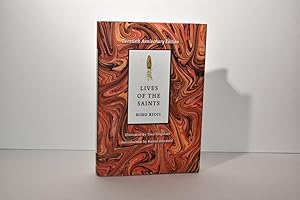
Lives of the Saints, Illustrated Twentieth Anniversary Edition
Seller: The Great Catsby's Rare Books, Edmonton, AB, Canada
Seller rating 5 out of 5 stars
First Edition Signed
Hardcover. Condition: Fine. Dust Jacket Condition: Fine. 1st Edition. Minor bump to top edge of block, else fine. Signed and dated by Ricci on the title page. First printing of the illustrate edition. Signed by Author(s).
-

Paperback. Condition: Brand New. 128 pages. 8.40x5.40x0.40 inches. In Stock.
-
Living Art: Individual and Collective Creativity: Becoming Paul-?mile Borduas
Seller: Kennys Bookshop and Art Galleries Ltd., Galway, GY, Ireland
Seller rating 5 out of 5 stars
Condition: New.
-

Not for Every Eye
Seller: GreatBookPricesUK, Woodford Green, United Kingdom
Seller rating 5 out of 5 stars
Condition: New.
-
-

Not for Every Eye
Seller: GreatBookPricesUK, Woodford Green, United Kingdom
Seller rating 5 out of 5 stars
Condition: As New. Unread book in perfect condition.
-

America's Wild Woodlands
Published by National Geographic Society, Washington D.C., 1985
Seller: Great Books&Cafe @ The Williamsford Mill, Williamsford, ON, Canada
Seller rating 5 out of 5 stars
Hardcover. Condition: Fine. Dust Jacket Condition: Very Good+. Singer, Alan (illustrator). 199 pp. (+1) With colour photos, and index. ".tells the fascinating story of our forest heritage. Along the way, you will learn of the abuse our woodlands have suffered." Dj shows very light sunning along spine, a few short closed tears at head of spine.
-

Paperback. Condition: New. In turns touching and disturbing, this powerfully suggestive story describes a young boy coming of age on his father's farm while being stalked by the new, mentally handicapped employee. Set against a backdrop of abandonment, betrayal, and confusion, the novel explores the human psyche and the contemporary theme of child abuse with subtlety and masterful writing.
-
Living Art (Paperback)
Language: English
Published by Exile Editions, Toronto, ON, 2018
ISBN 10: 1550967169 ISBN 13: 9781550967166
Paperback. Condition: new. Paperback. Paul-Emile Borduas had both successes and failures as he tried to express in artwork and words his vision of a generous, spontaneous, creative society. He was the catalyst for events that led to the writing of an important social and artistic manifesto, Refus global (Total Refusal, in translation with Exile Editions) published in 1948 by the movement known as Les automatistes. Jean-Philippe Warren shows us the reversals and contradictions that make up this cultural figure, renowned for both his art and his thought. How his early hopes and doubts fermented in the crucible that is the mind of a young man. And how his attempts to find a new voice reflect the changes of a society trying to come to terms with a troubling and elusive modernity. Ultimately, Warren looks to understand the path that led Borduas to adopt a pictorial approach that was a clean break with the academicism of his time. He studies a man who broke early with the Catholic religion of his childhood, and who tried to replace it with a radically different ethic. At the same time, he suggests that Borduas came from an ambiance of Catholic intellectuals and artists who shared many of his progressive views and were also critical of the church's attitude to society and art. This is a remarkable portrait of one of our greatest artists and intellectuals, and shines a new light on a crucial turning point in the history of Quebec and Canada. Paul-Emile Borduas tried to express in artwork and words his vision of a generous, spontaneous, creative society. He was the catalyst for events that led to the writing of an important social and artistic manifesto, Refus global, published in 1948. Jean-Philippe Warren shows us the reversals and contradictions that make up this cultural figure, renowned for both his art and his thought. Shipping may be from our Sydney, NSW warehouse or from our UK or US warehouse, depending on stock availability.
-

Paperback. Condition: New. Paul-Émile Borduas had both successes and failures as he tried to express in artwork and words his vision of a generous, spontaneous, creative society. He was the catalyst for events that led to the writing of an important social and artistic manifesto, Refus global (Total Refusal, in translation with Exile Editions) published in 1948 by the movement known as Les automatistes. Jean-Philippe Warren shows us the reversals and contradictions that make up this cultural figure, renowned for both his art and his thought. How his early hopes and doubts fermented in the crucible that is the mind of a young man. And how his attempts to find a new voice reflect the changes of a society trying to come to terms with a troubling and elusive modernity. Ultimately, Warren looks to understand the path that led Borduas to adopt a pictorial approach that was a clean break with the academicism of his time. He studies a man who broke early with the Catholic religion of his childhood, and who tried to replace it with a radically different ethic. At the same time, he suggests that Borduas came from an ambiance of Catholic intellectuals and artists who shared many of his progressive views and were also critical of the church's attitude to society and art. This is a remarkable portrait of one of our greatest artists and intellectuals, and shines a new light on a crucial turning point in the history of Québec and Canada.
-

Paperback. Condition: New. In turns touching and disturbing, this powerfully suggestive story describes a young boy coming of age on his father's farm while being stalked by the new, mentally handicapped employee. Set against a backdrop of abandonment, betrayal, and confusion, the novel explores the human psyche and the contemporary theme of child abuse with subtlety and masterful writing.
-

Paperback. Condition: New. Paul-Émile Borduas had both successes and failures as he tried to express in artwork and words his vision of a generous, spontaneous, creative society. He was the catalyst for events that led to the writing of an important social and artistic manifesto, Refus global (Total Refusal, in translation with Exile Editions) published in 1948 by the movement known as Les automatistes. Jean-Philippe Warren shows us the reversals and contradictions that make up this cultural figure, renowned for both his art and his thought. How his early hopes and doubts fermented in the crucible that is the mind of a young man. And how his attempts to find a new voice reflect the changes of a society trying to come to terms with a troubling and elusive modernity. Ultimately, Warren looks to understand the path that led Borduas to adopt a pictorial approach that was a clean break with the academicism of his time. He studies a man who broke early with the Catholic religion of his childhood, and who tried to replace it with a radically different ethic. At the same time, he suggests that Borduas came from an ambiance of Catholic intellectuals and artists who shared many of his progressive views and were also critical of the church's attitude to society and art. This is a remarkable portrait of one of our greatest artists and intellectuals, and shines a new light on a crucial turning point in the history of Québec and Canada.