
Items related to Crisis Communications: Lessons from September 11
Synopsis
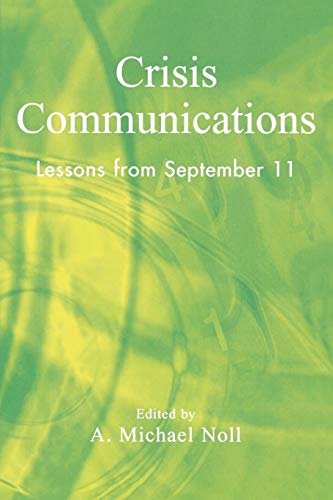
On September 11, 2001, AT&T's traffic was 40 percent greater than its previous busiest day. Wireless calls were made from the besieged airplanes and buildings, with the human voice having a calming influence. E-mail was used to overcome distance and time zones. And storytelling played an important role both in conveying information and in coping with the disaster. Building on such events and lessons, Crisis Communications features an international cast of top contributors exploring emergency communications during crisis. Together, they evaluate the use, performance, and effects of traditional mass media (radio, T.V., print), newer media (Internet, email), conventional telecommunications (telephones, cell phones), and interpersonal communication in emergency situations. Applying what has been learned from the behavior of the mass media in past crises, the authors clearly show the central role of communications on September 11. They establish how people learned of the tragedy and how they responded; examine the effects of media globalization on terrorism; and, in many cases, give specific advice for the future.
"synopsis" may belong to another edition of this title.
About the Author
Jeremy Harris Lipschultz is Peter Kiewit Distinguished Professor at the University of Nebraska at Omaha.
"About this title" may belong to another edition of this title.
Search results for Crisis Communications: Lessons from September 11

Seller Image
Crisis Communications: Lessons from September 11
Seller: -OnTimeBooks-, Phoenix, AZ, U.S.A.
Seller rating 5 out of 5 stars

Condition: good. A copy that has been read, remains in good condition. All pages are intact, and the cover is intact. The spine and cover show signs of wear. Pages can include notes and highlighting and show signs of wear, and the copy can include "From the library of" labels or previous owner inscriptions. 100% GUARANTEE! Shipped with delivery confirmation, if you're not satisfied with purchase please return item! Ships via media mail. Seller Inventory # OTV.0742525430.G
Stock Image
Crisis Communications: Lessons from September 11
Published by
Rowman & Littlefield Publishers, 2003
ISBN 10: 0742525430
ISBN 13: 9780742525436
Used
Paperback
Seller: ThriftBooks-Dallas, Dallas, TX, U.S.A.
Seller rating 5 out of 5 stars
Paperback. Condition: As New. No Jacket. Pages are clean and are not marred by notes or folds of any kind. ~ ThriftBooks: Read More, Spend Less. Seller Inventory # G0742525430I2N00
Stock Image
Crisis Communications: Lessons from September 11
Published by
Rowman & Littlefield Publishers,, 2004
ISBN 10: 0742525430
ISBN 13: 9780742525436
Used
Paperback
Seller: Bookmans, Tucson, AZ, U.S.A.
Seller rating 5 out of 5 stars
Paperback. Condition: Acceptable. Highlighting/Underlining/Notes etc. Wear & Tear Satisfaction 100% guaranteed. Seller Inventory # mon0001793534
Stock Image
Crisis Communications : Lessons from September 11
Published by
Bloomsbury Publishing USA, 2003
ISBN 10: 0742525430
ISBN 13: 9780742525436
Used
Softcover
Seller: Better World Books, Mishawaka, IN, U.S.A.
Seller rating 5 out of 5 stars
Condition: Very Good. Former library copy. Pages intact with possible writing/highlighting. Binding strong with minor wear. Dust jackets/supplements may not be included. Includes library markings. Stock photo provided. Product includes identifying sticker. Better World Books: Buy Books. Do Good. Seller Inventory # 11537117-6
Seller Image
Crisis Communications : Lessons from September 11
Seller: GreatBookPrices, Columbia, MD, U.S.A.
Seller rating 5 out of 5 stars
Condition: As New. Unread book in perfect condition. Seller Inventory # 1788950
Seller Image
Crisis Communications : Lessons from September 11
Seller: GreatBookPrices, Columbia, MD, U.S.A.
Seller rating 5 out of 5 stars
Condition: New. Seller Inventory # 1788950-n
Stock Image
Crisis Communications
Print on DemandSeller: PBShop.store US, Wood Dale, IL, U.S.A.
Seller rating 5 out of 5 stars
PAP. Condition: New. New Book. Shipped from UK. THIS BOOK IS PRINTED ON DEMAND. Established seller since 2000. Seller Inventory # L0-9780742525436
Stock Image
Crisis Communications
Print on DemandSeller: PBShop.store UK, Fairford, GLOS, United Kingdom
Seller rating 5 out of 5 stars
PAP. Condition: New. New Book. Delivered from our UK warehouse in 4 to 14 business days. THIS BOOK IS PRINTED ON DEMAND. Established seller since 2000. Seller Inventory # L0-9780742525436
Buy New
£ 56.61
£ 5.02 shipping
Ships from United Kingdom to U.S.A.
Ships from United Kingdom to U.S.A.
Quantity: Over 20 available
Stock Image
Crisis Communications (Paperback)
Published by
Bloomsbury Publishing Plc, Lanham, MD, 2003
ISBN 10: 0742525430
ISBN 13: 9780742525436
New
Paperback
Seller: Grand Eagle Retail, Bensenville, IL, U.S.A.
Seller rating 5 out of 5 stars
Paperback. Condition: new. Paperback. On September 11, 2001, AT&T's traffic was 40 percent greater than its previous busiest day. Wireless calls were made from the besieged airplanes and buildings, with the human voice having a calming influence. E-mail was used to overcome distance and time zones. And storytelling played an important role both in conveying information and in coping with the disaster. Building on such events and lessons, Crisis Communications features an international cast of top contributors exploring emergency communications during crisis. Together, they evaluate the use, performance, and effects of traditional mass media (radio, TV, print), newer media (Internet, email), conventional telecommunications (telephones, cell phones), and interpersonal communication in emergency situations. Applying what has been learned from the behavior of the mass media in past crises, the authors clearly show the central role of communications on September 11. They establish how people learned of the tragedy and how they responded; examine the effects of media globalization on terrorism; and, in many cases, give specific advice for the future. This text features a cast of top contributors exploring emergency communications during crisis. Together they evaluate the use, performance and effects of traditional mass media, newer media, conventional telecommunications and interpersonal communication in emergency situations. This item is printed on demand. Shipping may be from multiple locations in the US or from the UK, depending on stock availability. Seller Inventory # 9780742525436
Stock Image
Crisis Communications: Lessons from September 11
Published by
Rowman & Littlefield Publishers, 2003
ISBN 10: 0742525430
ISBN 13: 9780742525436
New
Softcover
Seller: Kennys Bookshop and Art Galleries Ltd., Galway, GY, Ireland
Seller rating 5 out of 5 stars
Condition: New. This text features a cast of top contributors exploring emergency communications during crisis. Together they evaluate the use, performance and effects of traditional mass media, newer media, conventional telecommunications and interpersonal communication in emergency situations. Editor(s): Noll, Michael A. Num Pages: 256 pages, bibliography, index. BIC Classification: JFD; JPS; JWK. Category: (G) General (US: Trade). Dimension: 154 x 228 x 21. Weight in Grams: 370. . 2003. paperback. . . . . Seller Inventory # V9780742525436
Buy New
£ 64.61
£ 7.93 shipping
Ships from Ireland to U.S.A.
Ships from Ireland to U.S.A.
Quantity: Over 20 available