
Items related to The World We Have Lost (Routledge Classics)
Synopsis
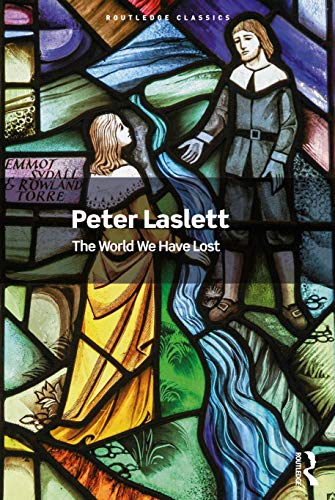
What was life like in England before the Industrial Revolution? The World We Have Lost is widely regarded as a classic of historical writing and a vital book in reshaping our understanding of the past and the structure of family life in England.
Turning away from the prevailing fixation of history on a grand scale, Laslett instead asks some simple yet fundamental questions about England before the Industrial Revolution: How long did people live? How did they treat their children? Did they get enough to eat? What were the levels of literacy? His findings overturned much received wisdom: girls did not generally marry in their early teens, but often worked before marrying at much the same ages that young people marry today. Most people did not live in extended families, or even live their whole lives in the same villages. Going beyond the immediate structure of the family, he also explores the position of servants, the gentry, rates of migration, work and social mobility.
Laslett’s classic work was crucial in causing an important sociological turn in early modern English history and remains as fresh and exhilarating today as upon its first publication.
This Routledge Classics edition includes a new Foreword by Kevin Schürer.
"synopsis" may belong to another edition of this title.
About the Author
Peter Laslett (1915–2001) was a Life Fellow of Trinity College, Cambridge. A leading historian of his generation, he was one of the founders of the Cambridge Group for the History of Population and Social Structure. A passionate advocate for using radio and television to help history reach a wider audience, he worked as a BBC radio producer and ran a series of programmes on Anglia Television, the 'Dawn University'. With the sociologist Michael Young he also helped establish the Open University in 1969.
From the Back Cover
The World We Have Lost is widely regarded as a classic of historical writing and remains as fresh and exhilarating today as upon its first publication. This Routledge Classics edition includes a new Foreword by Kevin Schürer.
"About this title" may belong to another edition of this title.
Search results for The World We Have Lost (Routledge Classics)

Stock Image
World We Have Lost
Seller: GreatBookPrices, Columbia, MD, U.S.A.
Seller rating 5 out of 5 stars

Condition: New. Seller Inventory # 42484403-n
Stock Image
The World We Have Lost
Seller: PBShop.store US, Wood Dale, IL, U.S.A.
Seller rating 5 out of 5 stars
PAP. Condition: New. New Book. Shipped from UK. Established seller since 2000. Seller Inventory # GB-9780367705329
Stock Image
World We Have Lost
Seller: GreatBookPrices, Columbia, MD, U.S.A.
Seller rating 5 out of 5 stars
Condition: As New. Unread book in perfect condition. Seller Inventory # 42484403
Stock Image
World We Have Lost
Seller: Eighth Day Books, LLC, Wichita, KS, U.S.A.
Seller rating 4 out of 5 stars

Paper Back. Condition: New. Seller Inventory # 253884
Stock Image
The World We Have Lost
Seller: PBShop.store UK, Fairford, GLOS, United Kingdom
Seller rating 5 out of 5 stars
PAP. Condition: New. New Book. Shipped from UK. Established seller since 2000. Seller Inventory # GB-9780367705329
Buy New
£ 22.88
£ 5.02 shipping
Ships from United Kingdom to U.S.A.
Ships from United Kingdom to U.S.A.
Quantity: 4 available
Stock Image
The World We Have Lost (Routledge Classics)
Seller: California Books, Miami, FL, U.S.A.
Seller rating 5 out of 5 stars
Condition: New. Seller Inventory # I-9780367705329
Seller Image
The World We Have Lost
Published by
Taylor and Francis Ltd, GB, 2021
ISBN 10: 036770532X
ISBN 13: 9780367705329
New
Paperback
Seller: Rarewaves.com USA, London, LONDO, United Kingdom
Seller rating 5 out of 5 stars
Paperback. Condition: New. What was life like in England before the Industrial Revolution? The World We Have Lost is widely regarded as a classic of historical writing and a vital book in reshaping our understanding of the past and the structure of family life in England. Turning away from the prevailing fixation of history on a grand scale, Laslett instead asks some simple yet fundamental questions about England before the Industrial Revolution: How long did people live? How did they treat their children? Did they get enough to eat? What were the levels of literacy? His findings overturned much received wisdom: girls did not generally marry in their early teens, but often worked before marrying at much the same ages that young people marry today. Most people did not live in extended families, or even live their whole lives in the same villages. Going beyond the immediate structure of the family, he also explores the position of servants, the gentry, rates of migration, work and social mobility. Laslett's classic work was crucial in causing an important sociological turn in early modern English history and remains as fresh and exhilarating today as upon its first publication. This Routledge Classics edition includes a new Foreword by Kevin Schürer. Seller Inventory # LU-9780367705329
Buy New
£ 29.51
Free Shipping
Ships from United Kingdom to U.S.A.
Ships from United Kingdom to U.S.A.
Quantity: 2 available
Seller Image
The World We Have Lost
Published by
Taylor and Francis Ltd, GB, 2021
ISBN 10: 036770532X
ISBN 13: 9780367705329
New
Paperback
Seller: Rarewaves USA, HEBRON, KY, U.S.A.
Seller rating 5 out of 5 stars
Paperback. Condition: New. What was life like in England before the Industrial Revolution? The World We Have Lost is widely regarded as a classic of historical writing and a vital book in reshaping our understanding of the past and the structure of family life in England. Turning away from the prevailing fixation of history on a grand scale, Laslett instead asks some simple yet fundamental questions about England before the Industrial Revolution: How long did people live? How did they treat their children? Did they get enough to eat? What were the levels of literacy? His findings overturned much received wisdom: girls did not generally marry in their early teens, but often worked before marrying at much the same ages that young people marry today. Most people did not live in extended families, or even live their whole lives in the same villages. Going beyond the immediate structure of the family, he also explores the position of servants, the gentry, rates of migration, work and social mobility. Laslett's classic work was crucial in causing an important sociological turn in early modern English history and remains as fresh and exhilarating today as upon its first publication. This Routledge Classics edition includes a new Foreword by Kevin Schürer. Seller Inventory # LU-9780367705329
Stock Image
The World We Have Lost (Routledge Classics)
Seller: Majestic Books, Hounslow, United Kingdom
Seller rating 4 out of 5 stars
Condition: New. Seller Inventory # 392178567
Buy New
£ 24.65
£ 6.50 shipping
Ships from United Kingdom to U.S.A.
Ships from United Kingdom to U.S.A.
Quantity: 3 available
Seller Image
The World We Have Lost (Paperback)
Published by
Taylor & Francis Ltd, London, 2021
ISBN 10: 036770532X
ISBN 13: 9780367705329
New
Paperback
Seller: Grand Eagle Retail, Bensenville, IL, U.S.A.
Seller rating 5 out of 5 stars
Paperback. Condition: new. Paperback. What was life like in England before the Industrial Revolution? The World We Have Lost is widely regarded as a classic of historical writing and a vital book in reshaping our understanding of the past and the structure of family life in England. Turning away from the prevailing fixation of history on a grand scale, Laslett instead asks some simple yet fundamental questions about England before the Industrial Revolution: How long did people live? How did they treat their children? Did they get enough to eat? What were the levels of literacy? His findings overturned much received wisdom: girls did not generally marry in their early teens, but often worked before marrying at much the same ages that young people marry today. Most people did not live in extended families, or even live their whole lives in the same villages. Going beyond the immediate structure of the family, he also explores the position of servants, the gentry, rates of migration, work and social mobility. Lasletts classic work was crucial in causing an important sociological turn in early modern English history and remains as fresh and exhilarating today as upon its first publication. This Routledge Classics edition includes a new Foreword by Kevin Schuerer. The World We Have Lost is widely regarded as a classic of historical writing and remains as fresh and exhilarating today as upon its first publication. This Routledge Classics edition includes a new Foreword by Kevin Schuerer. This item is printed on demand. Shipping may be from multiple locations in the US or from the UK, depending on stock availability. Seller Inventory # 9780367705329