

Peter Worley
Peter Worley is a British philosopher, educator and author specialising in philosophy for children and philosophical enquiry in education. He is the founder and former Chief Executive Officer of The Philosophy Foundation, a UK charity dedicated to advancing philosophy in schools, communities and public life.
He is widely regarded as a leading figure in the international Philosophy for Children (P4C) movement. From 2014 to 2019, he served as President of SOPHIA, the European Foundation for the Advancement of Philosophy with Children. He is a Visiting Research Associate at King’s College London and a Fellow of the Royal Society of Arts.
Peter was born in the Midlands but grew up in the West Country. He failed at school the first time around and so had to do it all again later. He worked as a guitar teacher for many years before completing a philosophy degree in 2000 at UCL an MA in 2002 at Birkbeck. His interest in philosophy and teaching brought him to the world of philosophy with children and he developed his own approach to doing philosophical enquiry in the classroom called the PhiE method. It is a structured approach to philosophical dialogue rooted in the Socratic tradition.
Peter is the author and editor of numerous books on philosophy and education, including The If Machine, The If Odyssey, The Philosophy Shop (co-editor), Once Upon an If, 40 Lessons to Get Children Thinking, 100 Ideas for Primary Teachers: Questioning, and Corrupting Youth.
Peter’s work has had a significant influence on educational media. Lesson plans from The If Machine and The If Odyssey were used and credited in the BBC drama Waiting for the Out. Several lesson plans from The If Machine formed the basis of the BAFTA-nominated BBC Learning series What Makes Me Me, and The If Machine was featured in the documentary Young Plato.
Peter writes and speaks widely on philosophy and education, and his work has been published in academic journals and featured across public media and international conferences. His research interests include philosophical pedagogy, metacognition, critical thinking and philosophical counselling. Alongside his academic work, he continues to teach philosophy in schools on a weekly basis.
Popular items by Peter Worley
View all offers-
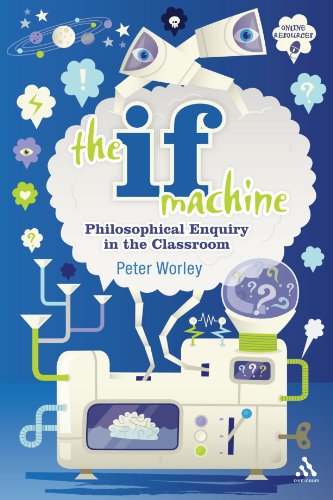
The If Machine: Philosophical Enquiry in the Classroom
Worley, Peter
Item prices starting from
View 8 offers£ 1.89
Also find
Used -
40 lessons to get children thinking: Philosophical thought adventures across the curriculum
Peter Worley
Item prices starting from
View 32 offers£ 2.59
-
100 Ideas for Primary Teachers: Questioning (100 Ideas for Teachers)
Peter Worley
Item prices starting from
View 31 offers£ 1.94
-
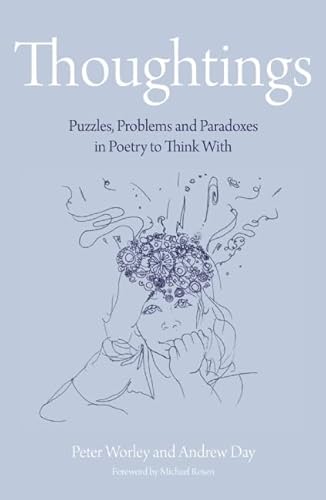
The Philosophy Foundation: Thoughtings- Puzzles, Problems and Paradoxes in Poetry to Think With
Peter Worley; Andrew Day
Item prices starting from
View 12 offers£ 7.13
-
Christmas Music in the British Isles for Classic Guitar
Peter Worley
Item prices starting from
View 2 offers£ 5.05
-
Classical Guitar Tunes - English Folk Songs
Worley, Peter
Item prices starting from
View 1 offer£ 13.99
Also find
New -
The If Machine, 2nd edition: 30 Lesson Plans for Teaching Philosophy
Peter Worley
Item prices starting from
View 18 offers£ 19.20
Also find
New -
Corrupting Youth: History and Principles of Philosophical Enquiry, Volume 1 (Big Ideas for Young Thinkers)
Worley, Peter
Item prices starting from
View 28 offers£ 31.53




Showing 8 of 16 titles