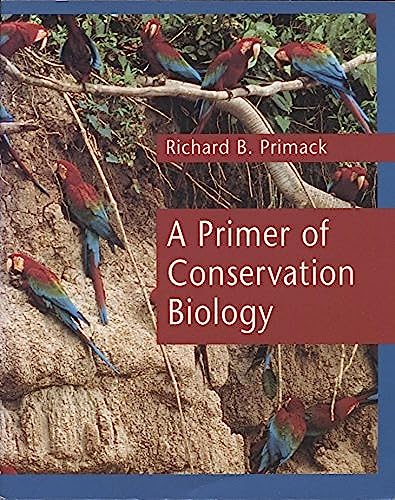
This primer is divided into five chapters, focusing on: biological diversity and its value; the threats to biological diversity; conservation at the population and species levels; protecting and managing habitats and ecosystems; and human societies and sustainable development. Case studies demonstrate the controversies in the field. The choice of examples show the full range of species, habitats and geographic areas of the world. This book aims to provide an up-to-date perspective on many high-profile issues, such as sustainable development, the effectiveness of conservation laws and treaties, the design of conservation areas and strategies to save species on the verge of extinction.
ContentsPART 1: CONSERVATION BIOLOGY AND BIOLOGICAL DIVERSITY
Interdisciplinary Conservation Methods: A Case Study
What Is Conservation Biology?
What Is Biological Diversity?
The Distribution of Biological Diversity
Extinction and Economics: Losing Something of Value
Direct Economic Values
Indirect Economic Values
Ethical Considerations
Summary
PART 2: THREATS TO BIOLOGICAL DIVERSITY
Rates of Extinction
Causes of Extinction
Habitat Fragmentation
Habitat Degradation and Pollution
Overexploitation
Exotic Species
Disease
Vulnerability to Extinction
Summary
PART 3: CONSERVATION AT THE POPULATION AND SPECIES LEVELS
The Problems of Small Populations
Natural History and Ecology
Establishment of New Populations
Ex Situ Conservation Strategies
Conservation Categories of Species
Legal Protection of Species
Summary
PART 4: CONSERVATION AT THE COMMUNITY LEVEL
Protected Areas
Establishing Priorities for Protection
Designing Protected Areas
Managing Protected Areas
Conservation Outside Protected Areas
Restoration Ecology
Summary
PART 5: CONSERVATION AND SUSTAINABLE DEVELOPMENT
Government Action
Traditional Societies and Biological Diversity
International Approaches to Conservation and Sustainable Development
An Agenda for the Future
Summary