
Items related to Lessons Learned from the 1968 Soviet Invasion of Czechoslova...
Lessons Learned from the 1968 Soviet Invasion of Czechoslovakia: Strategic Warning & The Role of Intelligence - Softcover
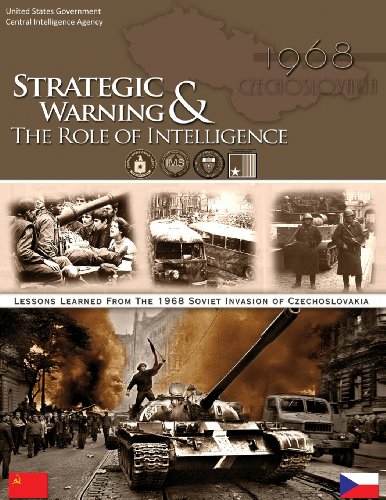
Synopsis
The Czechoslovak crisis, as it became known, started in January 1968, when Alexander Dubcek was elevated to the post of First Secretary of the Communist Party of Czechoslovakia (CPCz), replacing moribund Antonin Novotny, who had served as First Secretary since 1957. Under Dubcek, the communist leadership embarked on a program of dramatic liberalization of the Czechoslovak political, economic, and social order, including the overhaul of the CPCz leadership, increased freedom of speech, surrender of authority to the Czech National Assembly by the Communist Party, real elections at local and national levels, and even the suggestion of legalizing non-communist political parties.All this alarmed Moscow and the leadership of the Warsaw Pact, but throughout the Prague Spring, Dubcek went out of his way to demonstrate his personal loyalty to Moscow and Prague’s intention to remain firmly within the Warsaw Pact military alliance. How sincere he was in these remonstrations is difficult to say, but Dubcek and his allies clearly feared a repetition of the Hungarian uprising of 1956, brutally crushed by Soviet troops. These fears were mirrored in Washington and, to a certain extent, even in Moscow.The crisis lasted more than a year, with the first none months consisting of Czech reforms triggering Soviet statements of concern and eventually threats, buttressed by Warsaw Pact military buildups disguised as exercises. When the invasion occurred in the early morning hours of 21 August, the Czechoslovak leadership as not immediately removed, but remained largely intact through April 1969, when Dubcek was finally replaced as First Secretary by a more pro-Soviet Gustav Husak.
"synopsis" may belong to another edition of this title.
Search results for Lessons Learned from the 1968 Soviet Invasion of Czechoslova...

Stock Image
Lessons Learned from the 1968 Soviet Invasion of Czechoslovakia: Strategic Warning & The Role of Intelligence
Published by
CreateSpace Independent Publishing Platform, 2012
ISBN 10: 1481818236
ISBN 13: 9781481818230
Used
Paperback
Seller: One Planet Books, Columbia, MO, U.S.A.
Seller rating 5 out of 5 stars

Paperback. Condition: Like New. Ships in a BOX from Central Missouri! Like Brand NEW. No tears, highlighting or writing because it's never been used! May have minor shelf wear. UPS shipping for most packages, (Priority Mail for AK/HI/APO/PO Boxes). Seller Inventory # 002273667N
Stock Image
Lessons Learned from the 1968 Soviet Invasion of Czechoslovakia: Strategic Warning & The Role of Intelligence
Published by
CreateSpace Independent Publishing Platform, 2012
ISBN 10: 1481818236
ISBN 13: 9781481818230
New
paperback
Seller: Textbooks_Source, Columbia, MO, U.S.A.
Seller rating 5 out of 5 stars
paperback. Condition: New. Ships in a BOX from Central Missouri! UPS shipping for most packages, (Priority Mail for AK/HI/APO/PO Boxes). Seller Inventory # 002273667N
Seller Image
Lessons Learned from the 1968 Soviet Invasion of Czechoslovakia : Strategic Warning & the Role of Intelligence
Published by
CreateSpace Independent Publishing Platform, 2012
ISBN 10: 1481818236
ISBN 13: 9781481818230
New
Softcover
Seller: GreatBookPrices, Columbia, MD, U.S.A.
Seller rating 5 out of 5 stars
Condition: New. Seller Inventory # 20491124-n
Seller Image
Lessons Learned from the 1968 Soviet Invasion of Czechoslovakia : Strategic Warning & the Role of Intelligence
Published by
CreateSpace Independent Publishing Platform, 2012
ISBN 10: 1481818236
ISBN 13: 9781481818230
Used
Softcover
Seller: GreatBookPrices, Columbia, MD, U.S.A.
Seller rating 5 out of 5 stars
Condition: As New. Unread book in perfect condition. Seller Inventory # 20491124
Stock Image
Lessons Learned from the 1968 Soviet Invasion of Czechoslovakia: Strategic Warning & The Role of Intelligence
Published by
CreateSpace Independent Publishing Platform, 2012
ISBN 10: 1481818236
ISBN 13: 9781481818230
New
Softcover
Seller: Kennys Bookshop and Art Galleries Ltd., Galway, GY, Ireland
Seller rating 5 out of 5 stars
Condition: New. Seller Inventory # V9781481818230
Stock Image
Lessons Learned from the 1968 Soviet Invasion of Czechoslovakia: Strategic Warning & The Role of Intelligence
Published by
CreateSpace Independent Publishing Platform, 2012
ISBN 10: 1481818236
ISBN 13: 9781481818230
New
Softcover
Seller: Kennys Bookstore, Olney, MD, U.S.A.
Seller rating 5 out of 5 stars
Condition: New. Seller Inventory # V9781481818230
Stock Image
Lessons Learned from the 1968 Soviet Invasion of Czechoslovakia: Strategic Warning & The Role of Intelligence
Published by
CreateSpace Independent Publishing Platform, 2012
ISBN 10: 1481818236
ISBN 13: 9781481818230
New
Paperback
Seller: Revaluation Books, Exeter, United Kingdom
Seller rating 5 out of 5 stars
Paperback. Condition: Brand New. 66 pages. 11.00x8.50x0.15 inches. This item is printed on demand. Seller Inventory # zk1481818236
Buy New
£ 19.68
£ 12.50 shipping
Ships from United Kingdom to U.S.A.
Ships from United Kingdom to U.S.A.
Quantity: 1 available
Seller Image
Lessons Learned from the 1968 Soviet Invasion of Czechoslovakia : Strategic Warning & the Role of Intelligence
Published by
CreateSpace Independent Publishing Platform, 2012
ISBN 10: 1481818236
ISBN 13: 9781481818230
New
Softcover
Seller: GreatBookPricesUK, Woodford Green, United Kingdom
Seller rating 5 out of 5 stars
Condition: New. Seller Inventory # 20491124-n
Buy New
£ 20.27
£ 15 shipping
Ships from United Kingdom to U.S.A.
Ships from United Kingdom to U.S.A.
Quantity: 2 available
Seller Image
Lessons Learned from the 1968 Soviet Invasion of Czechoslovakia : Strategic Warning & the Role of Intelligence
Published by
CreateSpace Independent Publishing Platform, 2012
ISBN 10: 1481818236
ISBN 13: 9781481818230
Used
Softcover
Seller: GreatBookPricesUK, Woodford Green, United Kingdom
Seller rating 5 out of 5 stars
Condition: As New. Unread book in perfect condition. Seller Inventory # 20491124
Buy Used
£ 64.18
£ 15 shipping
Ships from United Kingdom to U.S.A.
Ships from United Kingdom to U.S.A.
Quantity: 2 available