
Synopsis
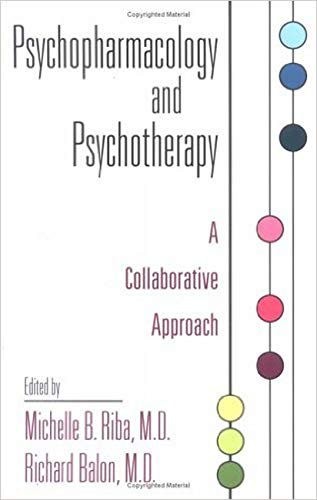
For years, psychiatrists have provided "medication backup" for patients who are in therapy with a non-physician therapist. During the past decade, this practice, also known as collaborative treatment, has expanded as a result of important breakthroughs in clinical psychopharmacology and ongoing pressure to reduce the costs of mental health care. Psychopharmacology and Psychotherapy: A Collaborative Approach serves as a roadmap for the growing numbers of health professionals who are teaming up to provide psychotherapy and pharmacotherapy to patients. The complicated issues involved in medication backup are addressed in a comprehensive, practical manner. It covers: • The positive aspects and pitfalls to avoid in collaborative treatment• Useful information about the education and training backgrounds of the various mental health professionals participating in collaborative treatment arrangements• The complicated legal and ethical issues, such as the following: Who is ultimately responsible for patient treatment? How will patient treatment liability be shared between collaborative practitioners? How can risk be managed in medication backup arrangements? • Insight into the complex relationship dynamics between and among physician, therapist, and patient• Residency training issues and models of successful collaborative treatment that can be used by the busy clinician in formulating treatment plans • The unique problems encountered by psychiatrists who provide medication backup in managed care environments Throughout the book, case vignettes are extensively used to illustrate the principles presented. This well-referenced volume is the first of its kind to provide practical guidelines for maximizing the process of collaborative treatment for all involved professionals―with the ultimate goal of improving the care of all patients.
"synopsis" may belong to another edition of this title.
About the Author
Michelle B. Riba, M.D., is Clinical Associate Professor and Associate Chair for Education and Academic Affairs in the Department of Psychiatry at the University of Michigan Health System in Ann Arbor, Michigan. Richard Balon, M.D., is Professor of Psychiatry in the Department of Psychiatry and Behavioral Sciences at Wayne State University in Detroit, Michigan.
From the Back Cover
For years, psychiatrists have provided "medication backup" for patients who are in therapy with a non-physician therapist. During the past decade, this practice, also known as collaborative treatment, has expanded as a result of important breakthroughs in clinical psychopharmacology and ongoing pressure to reduce the costs of mental health care.
Psychopharmacology and Psychotherapy: A Collaborative Approach serves as a roadmap for the growing numbers of health professionals who are teaming up to provide psychotherapy and pharmacotherapy to patients. The complicated issues involved in medication backup are addressed in a comprehensive, practical manner.
Readers will learn both the beneficial aspects of collaborative treatment and the common pitfalls to avoid. This practical resource provides useful information about the education and training backgrounds of the various mental health professionals participating in these treatments arrangements and offers guidelines for what each clinician can reasonably expect from the other.
Some of the most difficult dilemmas faced by physicians providing medication backup are legal and ethical. The authors address these complicated issues, which include questions such as the following: Who is ultimately responsible for patient treatment? How will treatment liability be shared between collaborating practitioners? How can risk be managed in medication backup arrangements? Insight is provided into the inner workings of medication backup arrangements, which frequently involve complex relationship dynamics between and among physician, therapist, and patient. An understanding of these issues is crucial the successful collaborative treatment.
This helpful guide also examines residency training issues and presents models for successful collaborative treatment that can be used by the busy clinician in formulating treatment plans. Also addressed are the unique problems encountered by psychiatrists who provide medication backup in managed care environments.
Throughout the book, case vignettes are extensively used to illustrate the principles presented. This well-referenced volume is the first of its kind to provide practical guidelines for maximizing the process of collaborative treatment for all involved professionals—with the ultimate goal of improving the care of all patients.
From the Inside Flap
For years, psychiatrists have provided "medication backup" for patients who are in therapy with a non-physician therapist. During the past decade, this practice, also known as collaborative treatment, has expanded as a result of important breakthroughs in clinical psychopharmacology and ongoing pressure to reduce the costs of mental health care.
Psychopharmacology and Psychotherapy: A Collaborative Approach serves as a roadmap for the growing numbers of health professionals who are teaming up to provide psychotherapy and pharmacotherapy to patients. The complicated issues involved in medication backup are addressed in a comprehensive, practical manner.
Readers will learn both the beneficial aspects of collaborative treatment and the common pitfalls to avoid. This practical resource provides useful information about the education and training backgrounds of the various mental health professionals participating in these treatments arrangements and offers guidelines for what each clinician can reasonably expect from the other.
Some of the most difficult dilemmas faced by physicians providing medication backup are legal and ethical. The authors address these complicated issues, which include questions such as the following: Who is ultimately responsible for patient treatment? How will treatment liability be shared between collaborating practitioners? How can risk be managed in medication backup arrangements? Insight is provided into the inner workings of medication backup arrangements, which frequently involve complex relationship dynamics between and among physician, therapist, and patient. An understanding of these issues is crucial the successful collaborative treatment.
This helpful guide also examines residency training issues and presents models for successful collaborative treatment that can be used by the busy clinician in formulating treatment plans. Also addressed are the unique problems encountered by psychiatrists who provide medication backup in managed care environments.
Throughout the book, case vignettes are extensively used to illustrate the principles presented. This well-referenced volume is the first of its kind to provide practical guidelines for maximizing the process of collaborative treatment for all involved professionals -- with the ultimate goal of improving the care of all patients.
"About this title" may belong to another edition of this title.
Search results for Psychopharmacology and Psychotherapy: A Collaborative...

Stock Image
Psychopharmacology and Psychotherapy: A Collaborative Approach
Published by
American Psychiatric Association Publishing, 1999
ISBN 10: 0880489138
ISBN 13: 9780880489133
Used
Paperback
Seller: ThriftBooks-Atlanta, AUSTELL, GA, U.S.A.
Seller rating 5 out of 5 stars

Paperback. Condition: Very Good. No Jacket. May have limited writing in cover pages. Pages are unmarked. ~ ThriftBooks: Read More, Spend Less. Seller Inventory # G0880489138I4N00
Stock Image
Psychopharmacology and Psychotherapy: A Collaborative Approach
Published by
Amer Psychiatric Pub Inc, 1999
ISBN 10: 0880489138
ISBN 13: 9780880489133
Used
paperback
Seller: HPB-Red, Dallas, TX, U.S.A.
Seller rating 5 out of 5 stars
paperback. Condition: Good. Connecting readers with great books since 1972! Used textbooks may not include companion materials such as access codes, etc. May have some wear or writing/highlighting. We ship orders daily and Customer Service is our top priority! Seller Inventory # S_393056007
Seller Image
Psychopharmacology and Psychotherapy: A Collaborative Approach
Published by
Amer Psychiatric Pub Inc, 1999
ISBN 10: 0880489138
ISBN 13: 9780880489133
Used
Softcover
Seller: Solr Books, Lincolnwood, IL, U.S.A.
Seller rating 5 out of 5 stars
Condition: very_good. This books is in Very good condition. There may be a few flaws like shelf wear and some light wear. Seller Inventory # BCV.0880489138.VG
Seller Image
Psychopharmacology and Psychotherapy : A Collaborative Approach
Published by
Amer Psychiatric Pub Inc, 1999
ISBN 10: 0880489138
ISBN 13: 9780880489133
Used
Softcover
Seller: GreatBookPrices, Columbia, MD, U.S.A.
Seller rating 5 out of 5 stars
Condition: As New. Unread book in perfect condition. Seller Inventory # 131445
Seller Image
Psychopharmacology and Psychotherapy : A Collaborative Approach
Published by
Amer Psychiatric Pub Inc, 1999
ISBN 10: 0880489138
ISBN 13: 9780880489133
New
Softcover
Seller: GreatBookPrices, Columbia, MD, U.S.A.
Seller rating 5 out of 5 stars
Condition: New. Seller Inventory # 131445-n
Seller Image
Psychopharmacology and Psychotherapy : A Collaborative Approach
Published by
Amer Psychiatric Pub Inc, 1999
ISBN 10: 0880489138
ISBN 13: 9780880489133
New
Softcover
Seller: GreatBookPricesUK, Woodford Green, United Kingdom
Seller rating 5 out of 5 stars
Condition: New. Seller Inventory # 131445-n
Buy New
£ 76.99
£ 15 shipping
Ships from United Kingdom to U.S.A.
Ships from United Kingdom to U.S.A.
Quantity: Over 20 available
Seller Image
Psychopharmacology and Psychotherapy : A Collaborative Approach
Published by
Amer Psychiatric Pub Inc, 1999
ISBN 10: 0880489138
ISBN 13: 9780880489133
Used
Softcover
Seller: GreatBookPricesUK, Woodford Green, United Kingdom
Seller rating 5 out of 5 stars
Condition: As New. Unread book in perfect condition. Seller Inventory # 131445
Buy Used
£ 76.99
£ 15 shipping
Ships from United Kingdom to U.S.A.
Ships from United Kingdom to U.S.A.
Quantity: Over 20 available