
Items related to Steppenwolf: Herman Hesse (Penguin Modern Classics)
Synopsis
A modernist work of profound wisdom that continues to enthral readers with its subtle blend of Eastern mysticism and Western culture, the Penguin Modern Classics edition of Hermann Hesse's Steppenwolf is revised by Walter Sorell from the original translation by Basil Creighton.
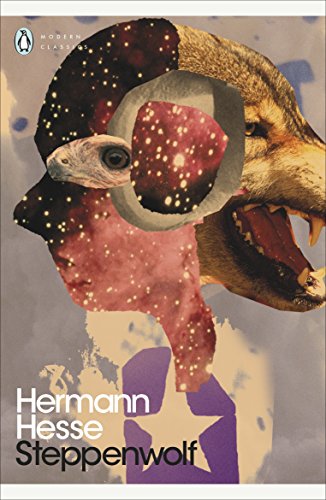
At first sight Harry Haller seems a respectable, educated man. In reality he is the Steppenwolf: wild, strange, alienated from society and repulsed by the modern age. But as he is drawn into a series of dreamlike and sometimes savage encounters - accompanied by, among others, Mozart, Goethe and the bewitching Hermione - the misanthropic Haller discovers a higher truth, and the possibility of happiness. This blistering portrayal of a man who feels himself to be half-human and half-wolf was the bible of the 1960s counterculture, capturing the mood of a disaffected generation, and remains a haunting story of estrangement and redemption.
Herman Hesse (1877 - 1962) suffered from depression and weathered series of personal crises which led him to undergo psychoanalysis with J. B. Lang; a process which resulted in Demian (1919), a novel whose main character is torn between the orderliness of bourgeois existence and the turbulent and enticing world of sensual experience. This dichotomy is prominent in Hesse's subsequent novels, including Siddhartha (1922), Steppenwolf (1927), Narcissus and Goldmund (1930) and his magnum opus, The Glass Bead Game (1943). Hesse was awarded the Nobel Prize for Literature in 1946.
If you enjoyed Steppenwolf, you might like Hesse's Siddhartha, also available in Penguin Classics.
'A savage indictment of bourgeois society ... the gripping and fascinating story of disease in a man's soul'
The New York Times
"synopsis" may belong to another edition of this title.
About the Author
Herman Hesse was born in southern Germany in 1877. Hesse concentrated on writing poetry as a young man, but his first successful book was a novel, Peter Camenzind (1904). During the war, Hesse was actively involved in relief efforts. Depression, criticism for his pacifist views, and a series of personal crises led Hesse to undergo psychoanalysis with J. B. Lang. Out of these years came Demian (1919), a novel whose main character is torn between the orderliness of bourgeois existence and the turbulent and enticing world of sensual experience. This dichotomy is prominent in Hesse's subsequent novels, including Siddhartha (1922), Steppenwolf (1927), and Narcissus and Goldmund (1930). Hesse worked on his magnum opus, The Glass Bead Game (1943), for twelve years. This novel was specifically cited when he was awarded the Nobel Prize for Literature in 1946. Hesse died at his home in Switzerland in 1962.
From the Back Cover
A modernist work of profound wisdom that continues to enthral readers with its subtle blend of Eastern mysticism and Western culture, the Penguin Modern Classics edition of Hermann Hesse's Steppenwolf is revised by Walter Sorell from the original translation by Basil Creighton.
At first sight Harry Haller seems a respectable, educated man. In reality he is the Steppenwolf: wild, strange, alienated from society and repulsed by the modern age. But as he is drawn into a series of dreamlike and sometimes savage encounters - accompanied by, among others, Mozart, Goethe and the bewitching Hermione - the misanthropic Haller discovers a higher truth, and the possibility of happiness. This blistering portrayal of a man who feels himself to be half-human and half-wolf was the bible of the 1960s counterculture, capturing the mood of a disaffected generation, and remains a haunting story of estrangement and redemption.
Herman Hesse (1877 - 1962) suffered from depression and weathered series of personal crises which led him to undergo psychoanalysis with J. B. Lang; a process which resulted in Demian (1919), a novel whose main character is torn between the orderliness of bourgeois existence and the turbulent and enticing world of sensual experience. This dichotomy is prominent in Hesse's subsequent novels, including Siddhartha (1922), Steppenwolf (1927), Narcissus and Goldmund (1930) and his magnum opus, The Glass Bead Game (1943). Hesse was awarded the Nobel Prize for Literature in 1946.
If you enjoyed Steppenwolf, you might like Hesse's Siddhartha, also available in Penguin Classics.
"About this title" may belong to another edition of this title.
Search results for Steppenwolf: Herman Hesse (Penguin Modern Classics)

Stock Image
Steppenwolf
Seller: HPB-Diamond, Dallas, TX, U.S.A.
Seller rating 5 out of 5 stars

Paperback. Condition: Very Good. Connecting readers with great books since 1972! Used books may not include companion materials, and may have some shelf wear or limited writing. We ship orders daily and Customer Service is our top priority! Seller Inventory # S_482176302
Stock Image
Steppenwolf
Seller: Hawking Books, Edgewood, TX, U.S.A.
Seller rating 5 out of 5 stars
Condition: Very Good. Very Good Condition. Five star seller - Buy with confidence! Seller Inventory # X0141192097X2
Stock Image
Steppenwolf
Seller: ThriftBooks-Atlanta, AUSTELL, GA, U.S.A.
Seller rating 5 out of 5 stars
Paperback. Condition: Good. No Jacket. Pages can have notes/highlighting. Spine may show signs of wear. ~ ThriftBooks: Read More, Spend Less. Seller Inventory # G0141192097I3N00
Stock Image
Steppenwolf
Seller: ThriftBooks-Dallas, Dallas, TX, U.S.A.
Seller rating 5 out of 5 stars
Paperback. Condition: Good. No Jacket. Pages can have notes/highlighting. Spine may show signs of wear. ~ ThriftBooks: Read More, Spend Less. Seller Inventory # G0141192097I3N00
Seller Image
Steppenwolf
Seller: GreatBookPrices, Columbia, MD, U.S.A.
Seller rating 5 out of 5 stars
Condition: New. Seller Inventory # 14032449-n
Stock Image
Steppenwolf
Seller: Better World Books, Mishawaka, IN, U.S.A.
Seller rating 5 out of 5 stars
Condition: Good. Pages intact with minimal writing/highlighting. The binding may be loose and creased. Dust jackets/supplements are not included. Stock photo provided. Product includes identifying sticker. Better World Books: Buy Books. Do Good. Seller Inventory # 16311564-20
Seller Image
Steppenwolf
Seller: Rarewaves.com USA, London, LONDO, United Kingdom
Seller rating 5 out of 5 stars
Paperback. Condition: New. A modernist work of profound wisdom that continues to enthral readers with its subtle blend of Eastern mysticism and Western culture, the Penguin Modern Classics edition of Hermann Hesse's Steppenwolf is revised by Walter Sorell from the original translation by Basil Creighton.At first sight Harry Haller seems a respectable, educated man. In reality he is the Steppenwolf: wild, strange, alienated from society and repulsed by the modern age. But as he is drawn into a series of dreamlike and sometimes savage encounters - accompanied by, among others, Mozart, Goethe and the bewitching Hermione - the misanthropic Haller discovers a higher truth, and the possibility of happiness. This blistering portrayal of a man who feels himself to be half-human and half-wolf was the bible of the 1960s counterculture, capturing the mood of a disaffected generation, and remains a haunting story of estrangement and redemption.Herman Hesse (1877 - 1962) suffered from depression and weathered series of personal crises which led him to undergo psychoanalysis with J. B. Lang; a process which resulted in Demian (1919), a novel whose main character is torn between the orderliness of bourgeois existence and the turbulent and enticing world of sensual experience. This dichotomy is prominent in Hesse's subsequent novels, including Siddhartha (1922), Steppenwolf (1927), Narcissus and Goldmund (1930) and his magnum opus, The Glass Bead Game (1943). Hesse was awarded the Nobel Prize for Literature in 1946.If you enjoyed Steppenwolf, you might like Hesse's Siddhartha, also available in Penguin Classics.'A savage indictment of bourgeois society . the gripping and fascinating story of disease in a man's soul'The New York Times. Seller Inventory # LU-9780141192093
Buy New
£ 11.93
Free Shipping
Ships from United Kingdom to U.S.A.
Ships from United Kingdom to U.S.A.
Quantity: Over 20 available
Seller Image
Steppenwolf
Seller: GreatBookPrices, Columbia, MD, U.S.A.
Seller rating 5 out of 5 stars
Condition: As New. Unread book in perfect condition. Seller Inventory # 14032449
Stock Image
Steppenwolf
Seller: Majestic Books, Hounslow, United Kingdom
Seller rating 4 out of 5 stars

Condition: New. Seller Inventory # 9677838
Buy New
£ 6.34
£ 6.50 shipping
Ships from United Kingdom to U.S.A.
Ships from United Kingdom to U.S.A.
Quantity: 1 available
Seller Image
Steppenwolf (Paperback)
Published by
Penguin Books Ltd, London, 2012
ISBN 10: 0141192097
ISBN 13: 9780141192093
New
Paperback
Seller: Grand Eagle Retail, Bensenville, IL, U.S.A.
Seller rating 5 out of 5 stars
Paperback. Condition: new. Paperback. A new translation of this counterculture classic by David HorrocksA new translation by David Horrocks.At first sight Harry Haller seems like a respectable, educated man. In reality he is the Steppenwolf: wild, strange, alienated from society and repulsed by the modern age. But as he is drawn into a series of dreamlike and sometimes savage encounters - accompanied by, among others, Mozart, Goethe and the bewitching Hermione - the misanthropic Haller discovers a higher truth, and the possibility of happiness. This haunting portrayal of a man who feels he is half-human and half-wolf became a counterculture classic for a disaffected generation. Yet it is also a story of redemption, and an intricately-structured modernist masterpiece. This is the first new translation of Steppenwolf for over eighty years, returning to the fresh, authentic language of Hesse's original. At first sight Harry Haller seems a respectable, educated man. In reality he is the Steppenwolf: wild, strange, alienated from society and repulsed by the modern age. But as he is drawn into a series of dreamlike and sometimes savage encounters - accompanied by, among others, Mozart, Goethe and the bewitching Hermione. Shipping may be from multiple locations in the US or from the UK, depending on stock availability. Seller Inventory # 9780141192093