
Items related to Understanding Forensic Digital Imaging
Synopsis
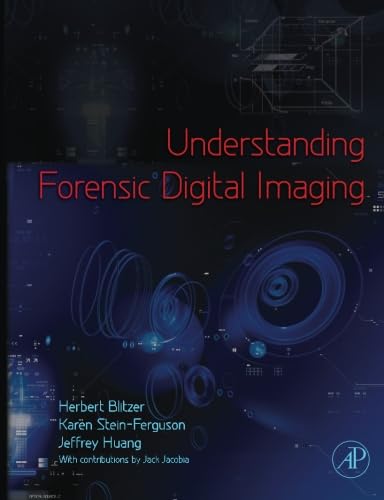
Understanding Forensic Digital Imaging offers the principles of forensic digital imaging and photography in a manner that is straightforward and easy to digest for the professional and student. It provides information on how to photograph any setting that may have forensic value, details how to follow practices that are acceptable in court, and recommends what variety of hardware and software are most valuable to a practitioner. In addition to chapters on basic topics such as light and lenses, resolution, and file formats, the book contains forensic-science-specific information on SWGIT and the use of photography in investigations and in court. Of particular note is Chapter 17, "Establishing Quality Requirements" which offers information on how to create a good digital image, and is more comprehensive than any other source currently available. A companion website offers exercises for the student and practicing professional.
"synopsis" may belong to another edition of this title.
From the Back Cover
The science of digital imaging can be divided into two separate branches: the techniques that explain how to use and create digital images, and the technical knowledge that is necessary to design cameras, computers, and software. The expert witness should be a skilled practitioner in the techniques and have enough understanding of the technical knowledge to answer hard questions that might be asked in court. Understanding Forensic Digital Imaging is the first book to address both types of knowledge, offering a comprehensive and thorough approach to the subject of digital imaging, providing the reader with necessary information about the techniques and a solid understanding of the technology.
Providing information on the basics of photography, while also covering the complex concepts particular to forensic science, Understanding Forensic Digital Imaging is a one-stop resource for the forensic expert. With its unparalleled coverage of digital imaging – including a chapter on establishing quality requirements that is more comprehensive than any other source currently available – this book is an essential read for any forensic expert who is required to work with digital images and testify in court.
Key Features:
* Covers topics that are of vital importance to the practicing professional
* Serves as an up-to-date reference in the rapidly evolving world of digital imaging
* Uses clear and concise language so that any reader can understand the technology and science behind digital imaging
* Offers a chapter on “Establishing Quality Requirements,? which offers more comprehensive coverage than is currently available in any other source|The science of digital imaging can be divided into two separate branches: the techniques that explain how to use and create digital images, and the technical knowledge that is necessary to design cameras, computers, and software. The expert witness should be a skilled practitioner in the techniques and have enough understanding of the technical knowledge to answer hard questions that might be asked in court.Understanding Forensic Digital Imaging is the first book to address both types of knowledge, offering a comprehensive and thorough approach to the subject of digital imaging, providing the reader with necessary information about the techniques and a solid understanding of the technology.
Providing information on the basics of photography, while also covering the complex concepts particular to forensic science,Understanding Forensic Digital Imaging is a one-stop resource for the forensic expert. With its unparalleled coverage of digital imaging – including a chapter on establishing quality requirements that is more comprehensive than any other source currently available – this book is an essential read for any forensic expert who is required to work with digital images and testify in court.
Key Features:
* Covers topics that are of vital importance to the practicing professional
* Serves as an up-to-date reference in the rapidly evolving world of digital imaging
* Uses clear and concise language so that any reader can understand the technology and science behind digital imaging
* Offers a chapter on “Establishing Quality Requirements, which offers more comprehensive coverage than is currently available in any other source
About the Author
Herbert Blitzer is the Founder and Executive Director of the Institute for Forensic Imaging in Indianapolis. Previously he served as a special assistant to the Mayor of Indianapolis, where he was assigned to work with the Indianapolis Police Department. Prior to that, he spent 33 years working for the Eastman Kodak Company, where he served as an engineer and strategic manager. At one point he managed the Company's Law Enforcement Marketing program. He has published numerous articles in trade journals and, with Jack Jacobia, authored Forensic Digital Imaging and Photography.
"About this title" may belong to another edition of this title.
Search results for Understanding Forensic Digital Imaging

Stock Image
Understanding Forensic Digital Imaging
Seller: Revaluation Books, Exeter, United Kingdom
Seller rating 5 out of 5 stars

Paperback. Condition: Brand New. 418 pages. 9.69x7.44x0.99 inches. In Stock. Seller Inventory # zk0124054528
Buy New
£ 119.70
£ 12.50 shipping
Ships from United Kingdom to U.S.A.
Ships from United Kingdom to U.S.A.
Quantity: 1 available